


The global push for decarbonization has positioned hydrogen as the primary energy carrier for the future. Central to this transition are hydrogen fuel cell applications, which require hydrogen to be delivered at extreme pressures and absolute purity. Within this ecosystem, the compressor is the critical link between production and utilization. Among the various technologies available, the диафрагменный водородный компрессор has emerged as the industry standard for high-performance hydrogen infrastructure.
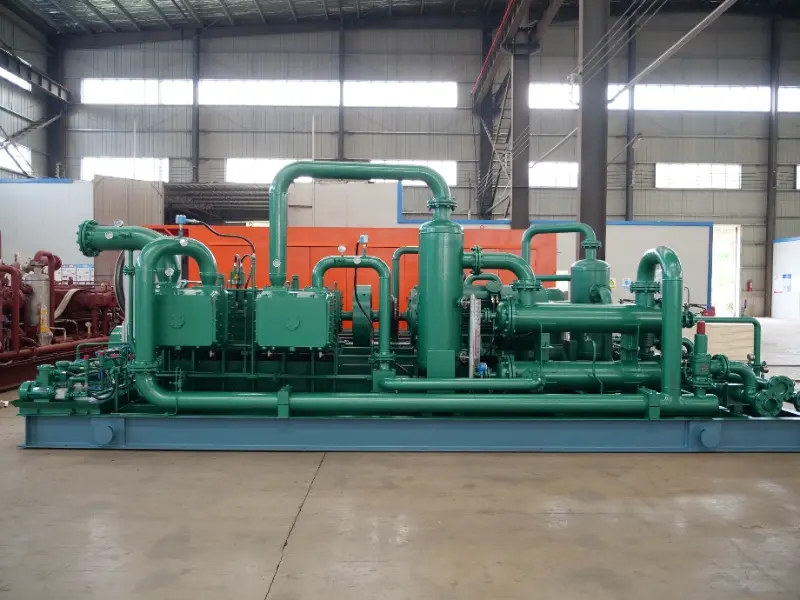
This article explores the mechanical and economic reasons why diaphragm technology is the preferred choice for the burgeoning hydrogen economy.
Оглавление
1. The Critical Need for Absolute Hydrogen Purity
Fuel cells, particularly Proton Exchange Membrane (PEM) types, are incredibly sensitive to contaminants. Even trace amounts of oil, sulfur, or carbon monoxide can “poison” the fuel cell stack, leading to rapid degradation and expensive replacement costs.
- Oil-Free Compression: Unlike traditional reciprocating compressors that require lubricants in the cylinder, a diaphragm unit uses a set of metallic membranes to isolate the gas from the hydraulic drive system. This inherent oil-free compression ensures that the hydrogen never comes into contact with lubricants.
- Protecting the Catalyst: By maintaining a hydrogen purity level of 99.999% or higher, these Oil-Free diaphragm hydrogen compressor eliminate the risk of catalyst contamination at the refueling nozzle. This is the primary reason why standards like ISO 14687-2 specifically favor technologies that prevent hydrocarbon carryover.
2. Achieving Extreme Discharge Pressures
Modern hydrogen storage requires significant energy density to be viable for transport. For light-duty vehicles, the standard is 700 bar, while heavy-duty trucks typically utilize 350 bar.
- Single and Multi-Stage Efficiency: A leading gas compressor manufacturer designs these units to handle massive pressure ratios that would cause excessive heat in other designs. The large surface area of the diaphragm heads acts as a natural heat exchanger.
- Optimizing High-Pressure Hydrogen Storage: The ability to reach a stable discharge pressure of 450 bar to 900 bar allows for efficient buffer storage at refueling stations. This high-pressure capability ensures that vehicles can be refilled in minutes, mimicking the convenience of traditional fossil fuel stations.
3. Superior Leak-Tightness and Safety
Hydrogen is the smallest molecule in the universe and is notoriously difficult to contain. It can permeate through seals and cause “hydrogen embrittlement” in unsuitable metals.
- Static Sealing Technology: The leak-tightness of a diaphragm compressor is one of its most valuable attributes. Because the compression chamber is sealed by a static diaphragm clamped between two heads, there are no dynamic seals (like piston rings) through which gas can escape to the atmosphere.
- Secondary Containment: Most advanced units feature a triple-diaphragm design with a leak detection system. If the process diaphragm fails, the gas is contained by the middle layer, and a pressure sensor alerts the operator before any hydrogen is released.
4. Technical Comparison: Diaphragm vs. Traditional Piston
To understand the market preference, we must compare the performance metrics of these two common technologies in the context of hydrogen service.
| Особенность | Диафрагменный компрессор | Reciprocating Piston (Dry) |
| Hydrogen Purity | Absolute (Oil-free) | Risk of ring wear particles |
| Max Discharge Pressure | Up to 1000 bar | Typically limited to 350 bar |
| Метод охлаждения | Excellent (Hydraulic oil/Water) | Difficult in high-pressure stages |
| Ideal Application | Hydrogen refueling station | Industrial bulk gas transfer |
5. Integration into the Hydrogen Refueling Station (HRS)
The водородная заправочная станция is a complex environment where reliability and footprint are key. The compact nature of the diaphragm head allows for modular designs that can be scaled as demand grows.
As a specialized gas compressor manufacturer, Kehai understands that the compressor must interface seamlessly with cooling chillers and priority panels. The pulsating flow characteristic of diaphragm units is mitigated through carefully sized pulsation dampeners, ensuring that the high-pressure hydrogen storage tanks are filled smoothly without stressing the valve assemblies.
6. Thermal Management and Material Integrity
Compressing hydrogen generates significant heat. If not managed, this heat can reduce the discharge pressure efficiency and damage the equipment.
The hydraulic oil used to move the diaphragms in a диафрагменный водородный компрессор also serves as a coolant, carrying heat away from the compression chamber. Furthermore, the use of high-strength, corrosion-resistant stainless steels for the diaphragm heads prevents hydrogen-induced cracking, ensuring a service life that often exceeds 20 years with proper maintenance.
7. Conclusion: The Future of Hydrogen Infrastructure
As hydrogen fuel cell applications move from pilot projects to mass-market adoption, the demand for robust, pure, and safe compression will only increase. The diaphragm compressor is not just a piece of machinery; it is an enabling technology that makes the hydrogen economy possible.
В kehaigascompressor.com, we focus on the intersection of safety and efficiency. By choosing diaphragm technology, operators invest in a solution that protects their downstream assets, minimizes environmental risk, and provides the highest possible ROI in the clean energy sector.
Часто задаваемые вопросы (FAQ)
Q1. Why is oil-free compression so important for PEM fuel cells?
A1: PEM fuel cells use a platinum catalyst that is easily deactivated by hydrocarbons. Any oil vapor introduced during compression will coat the catalyst, permanently reducing the fuel cell’s power output. Only a диафрагменный водородный компрессор provides a physical barrier that guarantees 100% oil-free gas.
Q2. How does leak-tightness affect the safety of indoor installations?
A2: Hydrogen has a wide flammability range. The superior leak-tightness of diaphragm designs ensures that the gas remains within the process loop, preventing the buildup of explosive atmospheres in enclosed compressor rooms, which is a major safety requirement for urban refueling sites.
Q3. What is the typical maintenance interval for these compressors?
A3: While the diaphragms themselves are high-wear items, modern materials allow for 2,000 to 4,000 hours of operation between inspections. The primary maintenance focus is the diaphragm set and the check valves, both of which can be serviced without disturbing the main hydraulic drive or the gas piping.