


Оглавление
В отраслях, работающих с сжиженным нефтяным газом (СНГ), сжиженным природным газом (СПГ), аммиаком или другими криогенными средами, выбор правильного перекачивающего оборудования — это не просто техническая деталь, а прямой фактор, влияющий на безопасность, эффективность, эксплуатационные расходы. Часто на предприятии задают вопрос, следует ли использовать... компрессор сжиженного газа или полагаться на традиционные жидкостные насосы. Ответ зависит от конструкции вашей системы и от того, какие задачи вы пытаетесь решить.
Понимание двух подходов
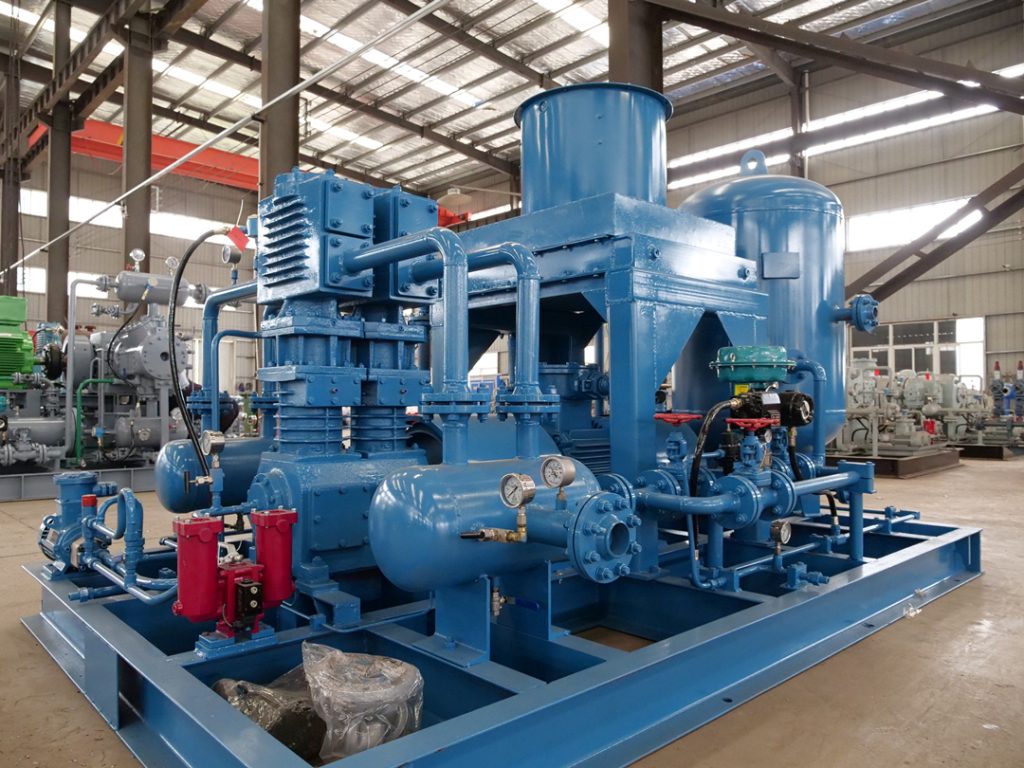
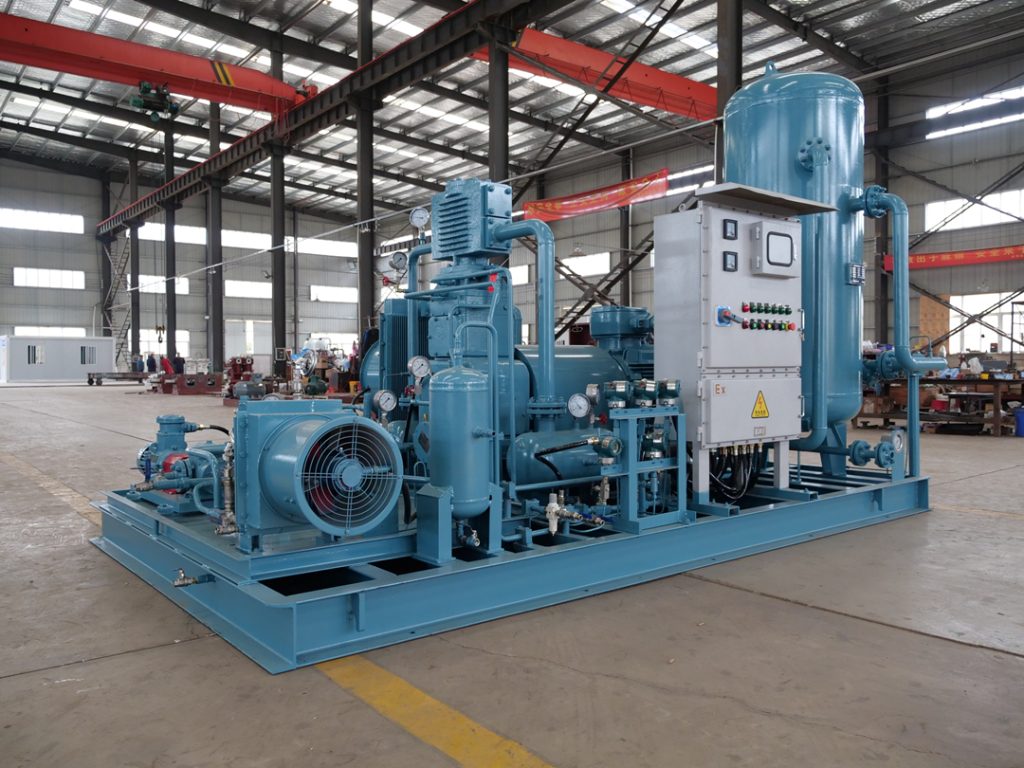
A компрессор сжиженного газа Принцип работы заключается в сжатии пара из приемного резервуара и его возврате в исходный резервуар, что создает разницу давлений, приводящую в движение перекачку жидкости. Этот метод часто называют возвратом пара или перекачкой с перепадом давлений.
В отличие от них, жидкостные насосы перемещают жидкость напрямую. Будь то центробежный или объемный насос, цель проста: перекачать жидкость из точки А в точку Б.
Оба подхода широко используются, но в реальных условиях работы они ведут себя совершенно по-разному.
Где компрессоры сжиженного газа проявляют свои лучшие качества
Практический опыт показывает, что компрессоры, как правило, превосходят насосы в ситуациях, когда приоритетными являются стабильность и безопасность.
- Условия низкого положительного напора на всасывании (NPSH)Насосы испытывают трудности при плохих условиях всасывания, что часто приводит к кавитации. компрессорная система сжиженного газа с низким NPSH полностью исключает эту проблему.
- Обращение с летучими газамиДля сжиженного нефтяного газа или аналогичных сред компрессоры обеспечивают более плавную перекачку. системы разгрузки с балансировкой паров.
- Снижение потерь жидкостиПоскольку пар рециркулируется, а не выбрасывается в атмосферу, операторы могут достичь следующих результатов: замкнутый цикл перекачки сжиженного газа, что способствует повышению как безопасности, так и соблюдению экологических норм.
Когда жидкостные насосы более целесообразны
Тем не менее, насосы по-прежнему актуальны.
- Высокие требования к расходуДля перевозки больших объемов грузов на короткие расстояния., высокопроизводительные криогенные жидкостные насосы может быть быстрее.
- Более простые системыНасосы проще устанавливать и обслуживать в простых системах.
- Более низкая первоначальная стоимостьДля небольших предприятий насосы могут стать более экономичным вариантом для начала работы.
Однако насосам необходимы стабильные условия на входе. Любое образование пара может быстро снизить эффективность или даже повредить оборудование.
Ключевые факторы принятия решений
При выборе между этими двумя вариантами следует учитывать следующее:
- Средние свойства: Обладает ли оно высокой летучестью или склонностью к вспышкам?
- Расстояние и высота переброскиКомпрессоры лучше справляются с перепадами давления.
- Требования безопасности: А система разгрузки компрессора сжиженного газа минимизирует выбросы и риски утечек.
- Операционная непрерывностьКомпрессоры, как правило, обеспечивают более плавную и бесперебойную передачу энергии в сложных системах.
Практический опыт с места событий.
На многих современных терминалах сжиженного нефтяного газа (СНГ) и сжиженного природного газа (СПГ) наблюдается тенденция к переходу на компрессорные системы, особенно в регионах с ужесточающимися правилами безопасности. Такие компании, как [название компании]. Кехай сосредоточились на проектировании промышленные компрессоры сжиженного газа для разгрузки автоцистерн, которые легко интегрируются в существующую инфраструктуру, одновременно повышая общую надежность системы.
Часто задаваемые вопросы
В1: Является ли компрессор для сжиженного газа более безопасным, чем насос?
Во многих случаях — да. Компрессоры обеспечивают замкнутый контур перекачки, уменьшая выброс паров и снижая риск взрыва.
В2: Могу ли я заменить свою насосную систему компрессором напрямую?
Не всегда. Перед переходом необходимо оценить конструкцию системы, конфигурацию резервуара и условия эксплуатации.
Вопрос 3: Какой вариант более энергоэффективен?
Это зависит от области применения. Для перекачки грузов на большие расстояния или при перекачке с повышенным давлением компрессоры часто обеспечивают более высокую общую эффективность.
Заключительные мысли
Универсального ответа не существует. Если ваша деятельность связана с летучими средами и сложными условиями переноса, то... компрессор сжиженного газа Часто это более надежный и перспективный вариант. Для более простых задач с высокой производительностью насосы по-прежнему хорошо справляются со своей задачей.
Ключевым моментом является понимание вашего процесса, а не только оборудования.