


Выбор правильного водородный компрессор Это крайне важно для водородных заправочных станций, автомобилей на топливных элементах (FCEV) и промышленного хранения водорода. На рынке доминируют два основных типа: диафрагменные компрессоры и поршневые компрессоры. Понимание их различий поможет вам сделать правильный выбор с точки зрения эффективности, безопасности и стоимости.
Оглавление
Диафрагменные водородные компрессоры
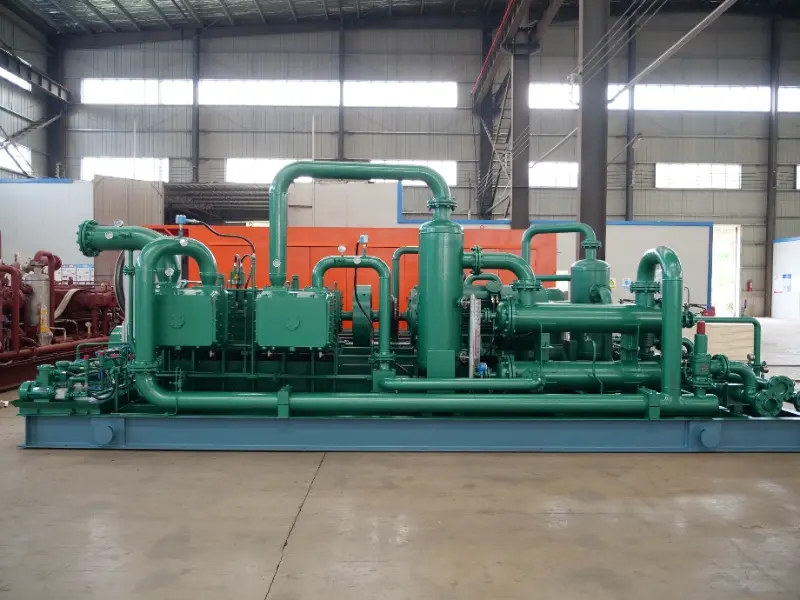
- Высокая чистота: Водород никогда не контактирует с механическими деталями, что обеспечивает работу без загрязнений.
- Высокое давление: Выдерживает давление до 100 МПа, идеально подходит для хранения и небольших заправочных станций.
- Низкие эксплуатационные расходы: Меньшее количество движущихся частей и длительный срок службы.
- Безопасность: Минимальный риск утечки, подходит для чувствительных водородных систем.
Лучше всего подходит для: Применение высокочистого водорода, научно-исследовательские центры и хранилища высокого давления.
Поршневые водородные компрессоры
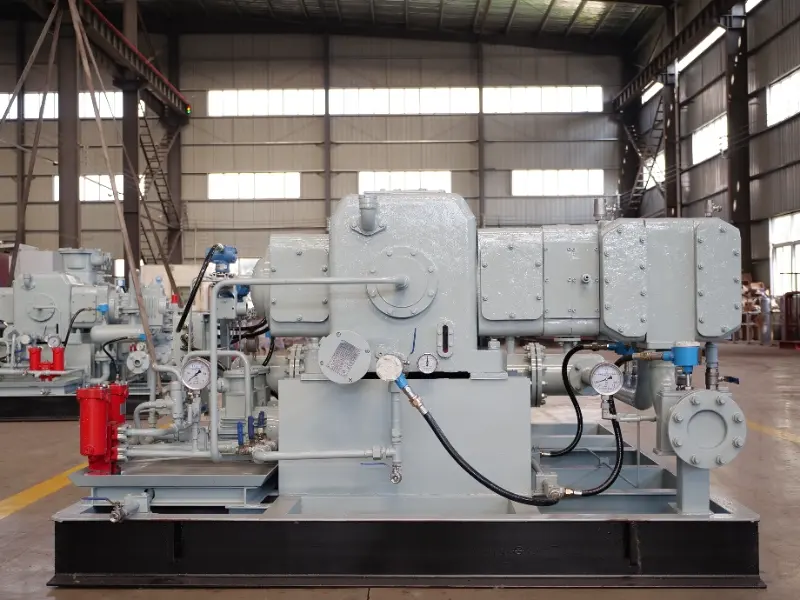
- Зрелый дизайн: Проверенная технология для промышленного применения.
- Высокий поток: Способен эффективно обрабатывать потоки водорода средней и большой интенсивности.
- Экономически выгодно: Более низкие первоначальные инвестиции по сравнению с диафрагменными компрессорами.
- Требуется техническое обслуживание: Уплотнения и смазка нуждаются в регулярной проверке.
Лучше всего подходит для: Промышленное производство водорода, трубопроводная транспортировка и заправочные станции с высокой пропускной способностью.
Ключевые различия
| Особенность | Диафрагменный компрессор | Поршневой компрессор |
| Контакт водорода | Отделено от механических частей, не загрязняется. | Непосредственный контакт с поршнем, требуется смазка. |
| Диапазон давления | Выдерживает давление до 100 МПа, подходит для хранения под высоким давлением. | Обычно 40–80 МПа, подходит для промышленного применения. |
| Обслуживание | Низкие затраты на техническое обслуживание, длительный срок службы | Более частое техническое обслуживание, замена уплотнений и масла. |
| Безопасность | Низкий риск утечек, высокая безопасность | Требуется строгий контроль за герметичностью и температурным режимом. |
| Диапазон расхода | Малые и средние потоки, точное применение | Средние и большие потоки, промышленное применение |
| Расходы | Более высокие первоначальные инвестиции | Более низкие первоначальные затраты, более высокие затраты на долгосрочное техническое обслуживание. |
Как сделать выбор?
- Выберите диафрагменные компрессоры если вам это нужно Водород высокой чистоты, высокое давление и низкие затраты на техническое обслуживание.
- Выберите поршневые компрессоры если вам это нужно большой поток, промышленное применение и более низкие первоначальные затраты.
Многие поставщики предлагают индивидуальные решения чтобы объединить преимущества обоих типов, обеспечивая оптимальную производительность вашей водородной системы.
Часто задаваемые вопросы
В1: В чем основное различие между диафрагменными и поршневыми водородными компрессорами?
A1: Мембранные компрессоры изолируют водород от механических частей, обеспечивая высокую чистоту и низкую утечку. Поршневые компрессоры справляются с большими потоками, но требуют регулярного технического обслуживания.
Вопрос 2: Какой водородный компрессор безопаснее?
A2: Диафрагменные компрессоры имеют меньший риск утечек, что делает их более безопасными для систем высокого давления и высокой чистоты водорода.
В3: Можно ли использовать поршневой компрессор в системах на топливных элементах?
A3: Да, но для водорода высокой чистоты, используемого в топливных элементах, предпочтительнее использовать диафрагменные компрессоры.
Вопрос 4: Как часто следует проводить техническое обслуживание водородного компрессора?
A4: Частота технического обслуживания зависит от типа и области применения. Мембранные компрессоры требуют менее частого обслуживания, в то время как поршневые компрессоры нуждаются в регулярной проверке уплотнений и смазки.
В5: Вы предлагаете индивидуальные решения по водородным компрессорам?
A5: Да, мы предлагаем индивидуальные решения, отвечающие конкретным требованиям к давлению, расходу и чистоте для вашего проекта.