


Table of Contents
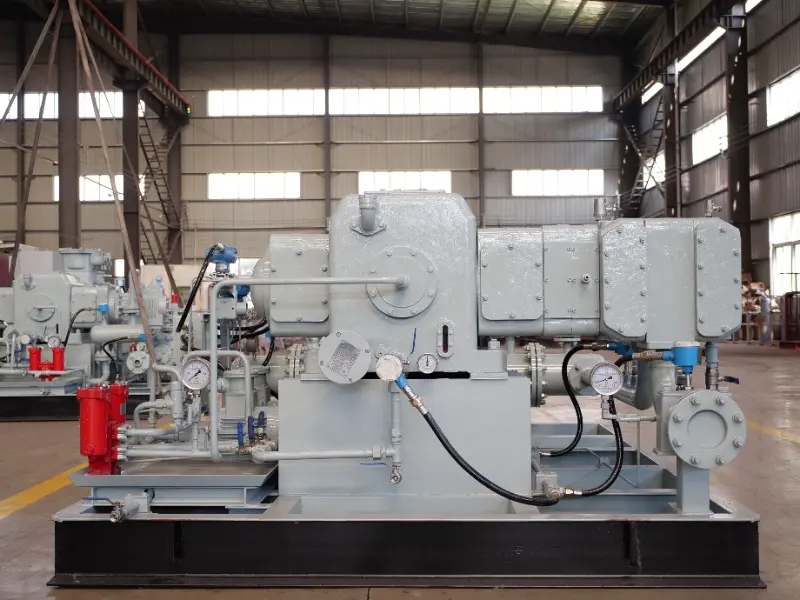
Hydrogen compressors are crucial components of hydrogen storage and transportation systems. They compress hydrogen to high pressure, ensuring a stable supply for various applications. Regular maintenance is crucial to ensure efficient operation, extend the lifespan, and maintain equipment safety. This guide provides maintenance recommendations for hydrogen compressors to help you keep them in optimal condition.
1. Pre-Maintenance Preparation
Before performing any maintenance, ensure appropriate safety measures are taken:
- Power Off: Ensure the equipment is turned off and the power supply is disconnected to avoid electrical hazards.
- Pressure Release: Before performing any maintenance, ensure that the system pressure is released to ensure there is no residual gas.
- Personal Protective Equipment: Wear appropriate personal protective equipment (such as safety glasses, protective gloves, and anti-static clothing) to ensure personal safety.
2. Daily Inspection and Maintenance
Daily inspections can help identify and resolve problems promptly, preventing equipment failures.
- Check the Oil Level: Regularly check the compressor oil level for sufficiency. Low oil levels can cause friction and overheating. Add appropriate lubricant according to the equipment manual.
- Check the filter: Clean or replace the compressor air filter. Dust and dirt in the air can affect equipment performance. Regularly cleaning the filter ensures smooth airflow.
- Check the pipe connections: Inspect the hydrogen inlet and outlet pipes, valves, and fittings for signs of looseness, leakage, or wear. Repair or replace damaged parts promptly.
- Check the motor and electrical equipment: Ensure the motor and electrical control system are not vibrating abnormally or overheating. Check the wiring for tightness and the cables for wear and aging.
3. Monthly Maintenance
Monthly maintenance is critical to maintaining long-term, stable equipment operation.
- Check the cylinder and piston rings: Check the wear of the cylinder inner wall and piston rings. Excessive wear will affect air tightness and compression efficiency and requires timely replacement.
- Check the lubrication system: Inspect the lubricating oil system to ensure the lubricating oil is clean and free of impurities. If the oil quality is deteriorating or contaminated, replace the lubricating oil.
- Check the cooling system: Check that the cooling system is operating properly and ensure that the coolant is sufficient and clean. A cooling system malfunction can cause the equipment to overheat, seriously affecting operating efficiency.
- Check the pressure sensor and safety valve: Regularly check the accuracy of the pressure sensor to ensure the compressor’s operating pressure is within a safe range. Check the safety valve for proper function to prevent safety hazards caused by excessive pressure.
4. Quarterly or Annual Comprehensive Inspection
Quarterly or annual inspections focus on conducting in-depth and comprehensive inspections of the equipment to ensure the compressor is in optimal operating condition.
- Check valves and seals: Inspect components such as the intake and exhaust valves and seal rings for wear. Poor seals can cause gas leaks and affect equipment performance.
- Clean internal components: Regularly clean all components within the compressor to prevent the accumulation of impurities such as oil and dust, which can affect compressor efficiency.
- Check the control system and alarm devices: Check the proper functioning of the automatic control system, alarm system, and emergency shutdown device to ensure timely response to any equipment anomalies.
- Check the drive system: Inspect the drive system between the motor and compressor, including gears and belts, to ensure there is no looseness, wear, or abnormal noise.
5. Special Precautions: Preventing Hydrogen Leaks
Hydrogen is a highly flammable gas, and any leak can be dangerous. During the inspection, pay special attention to all joints and seals to ensure they are leak-free.
- Post-Service Cleaning: After extended downtime or maintenance, inspect for lubricant leaks, foreign material buildup, or other obstructions to ensure a smooth restart.
- Records and Reports: Regularly record the equipment’s operating status and maintenance, including the time and type of parts replaced, and any maintenance items. This helps monitor equipment performance over time and prevent potential failures.
6. Troubleshooting
During maintenance, if any equipment anomalies are detected, promptly conduct troubleshooting. Common failures include:
- Compressor failure to start: This could be due to a power supply issue, control system failure, or a damaged starter motor.
- Gas Leakage: Check the tightness of connections and the integrity of valves, piping, and seals.
- Overheating: Check the cooling system for proper operation and ensure there are no malfunctions with the cooling fan or coolant system.
Effective maintenance of your hydrogen compressor not only improves equipment efficiency, but also reduces repair costs and extends its life. Follow this maintenance guide to regularly inspect and maintain your hydrogen compressor to ensure it remains in optimal condition for all applications. If you encounter any issues during maintenance or require professional assistance, please feel free to contact our technical support team.
Contact Us:
Customer Service Hotline: +86 19909655388
Email: kehaicompressor@gmail.com
By following this maintenance guide, you can ensure your hydrogen energy compressor operates safely and reliably, providing continuous support for your business.