


Selecting an optimal natural gas compressor is one of the most critical engineering decisions for any modern facility handling hydrocarbon processing, pipeline transportation, or power generation. The right equipment ensures seamless operational continuity, minimizes energy consumption, and significantly reduces the likelihood of catastrophic unplanned downtime. Conversely, deploying an undersized or misaligned compression unit often leads to severe mechanical failures, excessive maintenance expenditures, and dangerous pressure bottlenecks within the entire processing system.
When facility managers and process engineers begin evaluating a gas compression system, they must look far beyond the initial capital expenditure. The complexity of fluid dynamics, varying thermodynamic properties of the gas stream, and stringent environmental regulations dictate that each selection must be highly customized to the site. Navigating this dense technical landscape requires a deep understanding of how different compression technologies interact with your unique operational baseline and long-term production goals.
This comprehensive guide explores the essential technical parameters, structural comparisons, and long-term financial variables that dictate how to specify and procure the ideal industrial compressor for your demanding applications. By focusing on critical operational metrics, we will help you build a robust framework for making this high-stakes procurement decision.
Assessing Core Operational Parameters
To successfully integrate a gas compressor into your existing infrastructure, you must first establish a rigorous baseline of operating conditions. The thermodynamic realities of your plant will immediately eliminate certain compressor topologies from consideration, narrowing your focus to the most viable technologies.
- Suction and Discharge Pressure: The required compression ratio is the fundamental metric driving your selection. Applications requiring exceptionally high discharge pressures, such as wellhead gas recovery or high-pressure vehicle refueling, typically demand multi-stage compression units.
- Volumetric Flow Rate: Establishing the required continuous capacity dictates the physical footprint and type of the equipment. High-flow, steady-state operations without significant fluctuations are generally best served by dynamic designs, whereas highly variable flows require the robust adaptability of positive displacement systems.
- Temperature Fluctuations: Gas compression inherently generates significant heat due to the laws of thermodynamics. Evaluating the maximum suction temperature and the maximum allowable discharge temperature is critical for sizing the intercoolers appropriately. Failing to manage heat effectively leads to the rapid thermal degradation of the compressor’s internal seals, valves, and synthetic lubricants.
Analyzing Gas Composition and Impurities
Not all gas streams are created equal in the industrial sector. The specific molecular weight and the presence of harsh contaminants will drastically alter the aerodynamic performance curve and the material engineering requirements of your machinery.
- Sweet vs. Sour Gas: If your operational stream contains high concentrations of hydrogen sulfide (H2S) or carbon dioxide (CO2), the internal metallurgy of the compressor must be significantly upgraded. Components must comply with strict industry standards to prevent rapid sulfide stress cracking and hydrogen embrittlement.
- Moisture and Liquid Dropout: The presence of heavy hydrocarbons or entrained water vapor necessitates the installation of robust scrubbing and coalescing systems upstream. Liquid slugging can cause immediate and catastrophic mechanical failure in the cylinders of positive displacement machines.
Reciprocating vs. Centrifugal Compressors: A Strategic Comparison
The most common architectural debate in the B2B industrial procurement space revolves around choosing between positive displacement (reciprocating) and dynamic (centrifugal) compression technologies. While centrifugal units are suitable for massive, unchanging midstream pipeline flows, reciprocating units offer unmatched advantages for complex, high-pressure industrial applications.
The Superiority of the Piston Natural Gas Compressor
A piston natural gas compressor utilizes a classic cylinder mechanism driven by a crankshaft. For the vast majority of specialized industrial applications, this architecture is the undisputed optimal choice due to its operational flexibility and high thermodynamic efficiency.
- Handling High-Pressure Ratios: Piston designs excel in extreme pressure environments. For example, in a modern CNG filling station, gas must be compressed to incredibly high pressures (often exceeding 3,600 psi) to refuel vehicles quickly and safely. D Type and M Type piston compressors are specifically engineered to handle these intense multi-stage compression cycles without compromising safety or volumetric efficiency.
- Unmatched Operational Flexibility: Unlike centrifugal machines that suffer from aerodynamic surging if the flow rate drops, reciprocating units can easily adapt to fluctuating molecular weights and varying operational pressures. This makes them the premier choice for wellhead gas recovery applications where wellhead conditions naturally deplete and change over time.
- Symmetrical Balanced Designs: Advanced manufacturing now offers highly efficient symmetrical balanced configurations. These designs drastically reduce the unbalanced reciprocating forces that traditionally caused severe vibrations. This innovation is particularly crucial for LNG-BOG recovery (Boil-Off Gas) systems, where continuous, vibration-free, and highly efficient operation is required to manage cryogenic gas evaporation safely.
Evaluating Total Cost of Ownership and Manufacturer Expertise
Ultimately, the successful procurement of gas compression equipment must be grounded in a rigorous Total Cost of Ownership (TCO) lifecycle analysis. The energy consumed over a 20-year operational lifecycle, combined with the financial impact of scheduled downtime, will massively dwarf the initial purchase price.
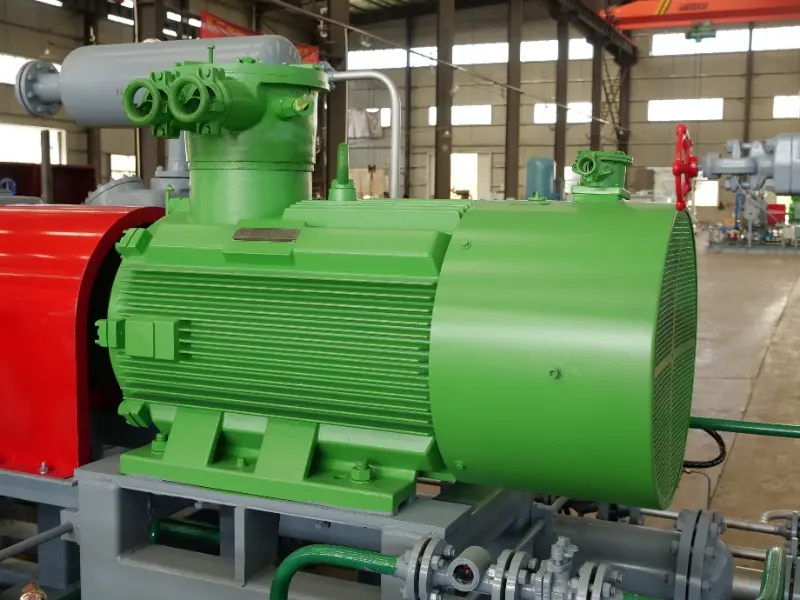
When making your final selection, the capabilities of the manufacturer are just as important as the specifications of the machine. Partnering with a manufacturer boasting decades of dedicated R&D in piston compression technology ensures you receive a system tailored to your exact thermodynamic realities. Furthermore, opting for a skid-mounted compressor design—where the compressor, driver, coolers, and control panels are pre-assembled and tested on a single structural base—can drastically reduce on-site civil engineering costs, accelerate installation timelines, and ensure plug-and-play reliability for your industrial plant.