


جدول المحتويات
في الصناعات التي تتعامل مع غاز البترول المسال، والغاز الطبيعي المسال، والأمونيا، أو غيرها من الوسائط المبردة، يُعد اختيار معدات النقل المناسبة أكثر من مجرد تفصيل تقني، فهو يؤثر بشكل مباشر على السلامة والكفاءة وتكاليف التشغيل. ومن الأسئلة الشائعة في الموقع ما إذا كان ينبغي استخدام ضاغط الغاز المسال أو الاعتماد على مضخات السوائل التقليدية. يعتمد الجواب على تصميم نظامك والتحديات التي تحاول حلها.
فهم النهجين
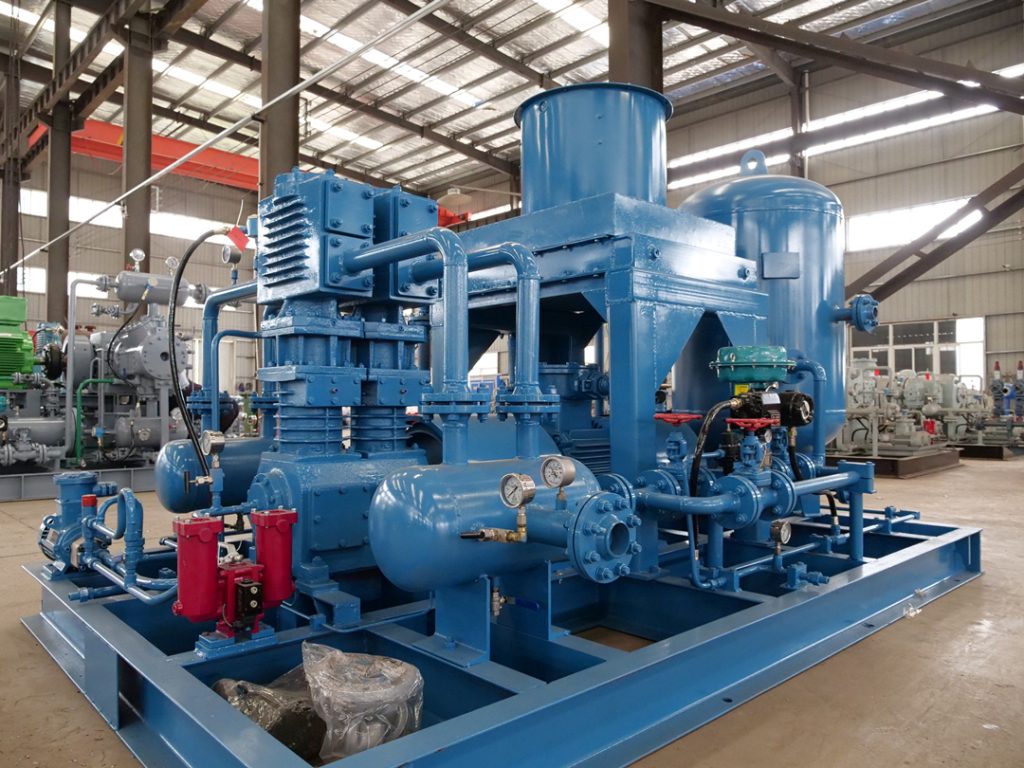
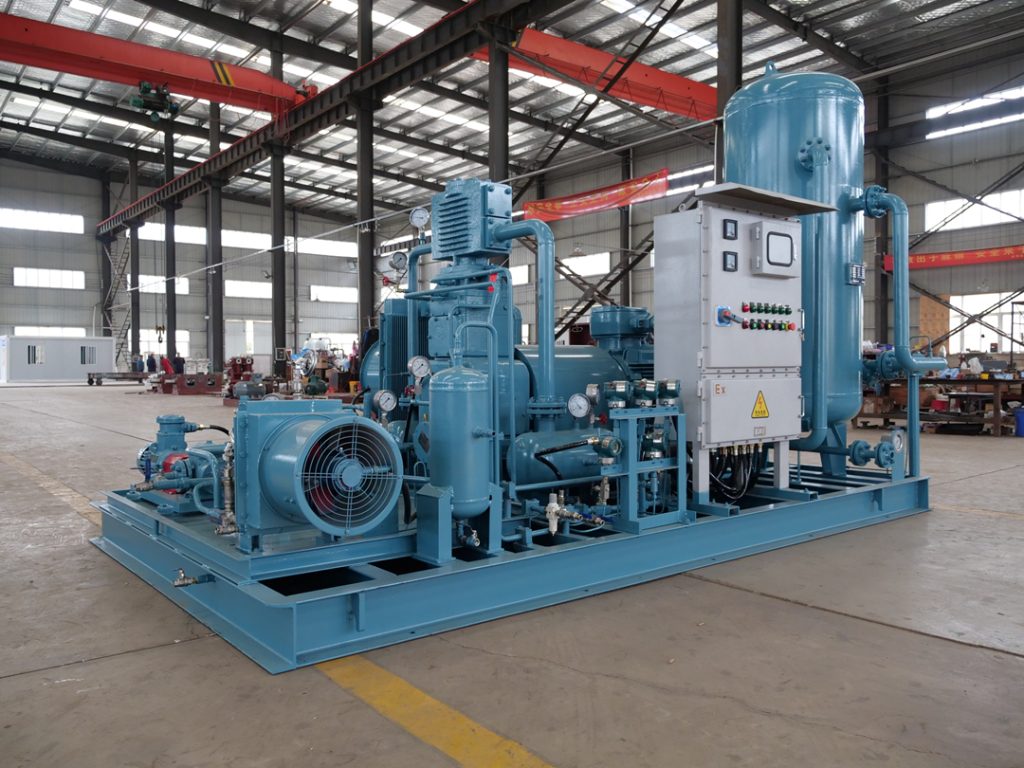
A ضاغط الغاز المسال تعمل هذه الطريقة عن طريق ضغط البخار من الخزان المستقبل وإعادته إلى الخزان المصدر، مما يُحدث فرقًا في الضغط يدفع عملية نقل السائل. تُعرف هذه الطريقة غالبًا باسم إعادة البخار أو نقل الضغط التفاضلي.
على النقيض من ذلك، تقوم المضخات السائلة بتحريك السائل مباشرةً. سواء كانت مضخة طرد مركزي أو مضخة إزاحة موجبة، فإن الهدف واضح: دفع السائل من النقطة أ إلى النقطة ب.
كلا النهجين مستخدمان على نطاق واسع، لكنهما يتصرفان بشكل مختلف تمامًا في ظل ظروف العمل الحقيقية.
أين تتألق ضواغط الغاز المسال؟
من واقع الخبرة العملية، تميل الضواغط إلى التفوق على المضخات في السيناريوهات التي تكون فيها الاستقرار والسلامة من الأولويات.
- ظروف انخفاض صافي ضغط السحب الإيجابي (NPSH)تواجه المضخات صعوبة عندما تكون ظروف السحب ضعيفة، مما يؤدي غالباً إلى حدوث التكهف. نظام ضاغط غاز مسال ذو ضغط NPSH منخفض يتجنب هذا الأمر تماماً.
- التعامل مع الغازات المتطايرةبالنسبة لغاز البترول المسال أو الوسائط المماثلة، تُمكّن الضواغط من نقل أكثر سلاسة عبر أنظمة تفريغ موازنة البخار.
- انخفاض فقدان السوائلبما أن البخار يُعاد تدويره بدلاً من تهويته، يمكن للمشغلين تحقيق نقل الغاز المسال في دائرة مغلقة, مما يحسن السلامة والامتثال البيئي على حد سواء.
متى تصبح مضخات السوائل أكثر منطقية
ومع ذلك، لا تزال للمضخات مكانتها.
- متطلبات معدل التدفق العالي: لنقل كميات كبيرة عبر مسافات قصيرة،, مضخات السوائل المبردة عالية السعة قد يكون أسرع.
- أنظمة أبسط: يسهل تركيب المضخات وصيانتها في التركيبات البسيطة.
- تكلفة أولية أقلبالنسبة للعمليات الصغيرة، قد توفر المضخات نقطة دخول أكثر ملاءمة للميزانية.
مع ذلك، تتطلب المضخات ظروف دخول مستقرة. أي تكوّن للبخار يمكن أن يقلل الكفاءة بسرعة أو حتى يُلحق الضرر بالمعدات.
عوامل القرار الرئيسية
عند الاختيار بين الاثنين، ضع في اعتبارك ما يلي:
- خصائص الوسطهل هو شديد التقلب أو عرضة للوميض؟
- مسافة النقل والارتفاع: الضواغط تتعامل مع فروق الضغط بشكل أفضل.
- متطلبات السلامةأ نظام تفريغ ضاغط الغاز المسال يقلل من الانبعاثات ومخاطر التسرب.
- استمرارية العملياتتوفر الضواغط عادةً نقلًا أكثر سلاسة ودون انقطاع في الأنظمة المعقدة.
ملاحظة عملية من الميدان
في العديد من محطات الغاز البترولي المسال والغاز الطبيعي المسال الحديثة، يتجه التوجه نحو الأنظمة القائمة على الضواغط، لا سيما في المناطق التي تشهد تشديدًا للوائح السلامة. شركات مثل كيهاي لقد ركزوا على التصميم ضواغط الغاز المسال الصناعية لتفريغ شاحنات الصهاريج التي تتكامل بسهولة مع البنية التحتية الحالية مع تحسين موثوقية النظام بشكل عام.
التعليمات
س1: هل ضاغط الغاز المسال أكثر أماناً من المضخة؟
في كثير من الحالات، نعم. تُمكّن الضواغط من نقل المواد في حلقة مغلقة، مما يقلل من انبعاث الأبخرة ويخفض من خطر الانفجار.
س2: هل يمكنني استبدال نظام المضخة الخاص بي بضاغط هواء مباشرة؟
ليس دائماً. يجب تقييم تصميم النظام وتكوين الخزان وظروف التشغيل قبل التبديل.
س3: أي الخيارين أكثر كفاءة في استخدام الطاقة؟
يعتمد ذلك على التطبيق. بالنسبة لعمليات النقل لمسافات طويلة أو عمليات النقل الحساسة للضغط، غالباً ما توفر الضواغط كفاءة إجمالية أفضل.
الخاتمة
لا يوجد حل واحد يناسب الجميع. إذا كانت عملياتك تتعامل مع مواد متطايرة وظروف نقل معقدة، فإن ضاغط الغاز المسال غالباً ما يكون الخيار الأكثر متانة وملاءمة للمستقبل. أما بالنسبة للمهام الأبسط ذات الإنتاجية العالية، فلا تزال المضخات تؤدي الغرض بكفاءة.
يكمن السر في فهم العملية التي تقوم بها - وليس فقط المعدات.