


When investing in a natural gas compressor, one of the most common questions buyers ask is: “Why do prices vary so much?”
From small portable units to large industrial systems used in oilfields and pipeline networks, the cost of a natural gas compressor can range from a few thousand dollars to hundreds of thousands. Understanding what drives these price differences is essential if you want to make a cost-effective and reliable investment.
In this guide, we break down the key factors that influence the price of natural gas compressors—and how you can choose the right solution without overspending.
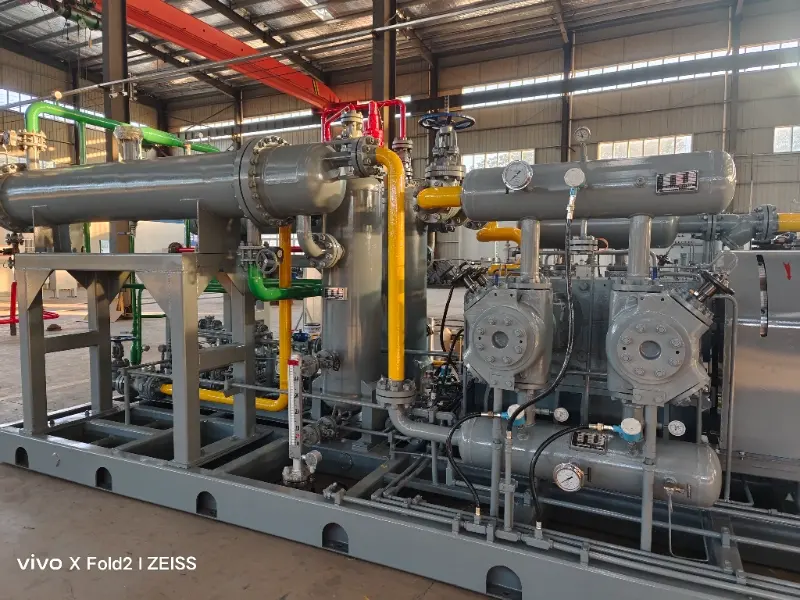
1. Compressor Type: The Biggest Price Driver
The type of compressor you choose has the most significant impact on cost. Common types include:
- Reciprocating compressors – Ideal for high-pressure applications, widely used in oil & gas fields. Typically more expensive due to complex structure.
- Centrifugal compressors – Designed for large-scale industrial use, often the highest in price due to capacity and engineering complexity.
Insight: If your project requires high pressure and precision, expect a higher upfront investment.
2. Capacity and Flow Rate
The size and output capacity of the compressor directly affect pricing.
- Small units (low flow rate): Lower cost, suitable for light industrial use
- Medium units: Balanced cost and performance
- Large-scale systems: High cost, designed for pipelines or LNG facilities
The higher the CFM (cubic feet per minute) or gas throughput, the more powerful—and expensive—the machine will be.
3. Pressure Requirements
Natural gas compressors are often categorized by pressure levels:
- Low pressure – Lower cost, simpler design
- Medium pressure – Moderate pricing
- High pressure – Significantly higher cost due to reinforced components and safety systems
High-pressure compressors require stronger materials and stricter engineering standards, which drives up the price.
4. Power Source and Energy Efficiency
The choice of power source also impacts both initial cost and long-term expenses:
- Electric-driven compressors – Higher upfront cost but lower operating cost
- Gas-driven compressors – Lower initial investment but higher fuel consumption
Energy-efficient models may cost more initially but can significantly reduce long-term operational expenses.
5. Customization and Configuration
Standard compressors are more affordable, but many industrial applications require customization:
- Explosion-proof design
- Skid-mounted systems
- Integrated cooling or filtration systems
- Smart monitoring and automation
The more tailored the system is to your project, the higher the cost—but also the better the performance and safety.
6. Brand, Quality, and Origin
Just like any industrial equipment, brand reputation and manufacturing standards matter:
- Premium international brands: Higher price, proven reliability
- Mid-range manufacturers: Balanced cost-performance
- Budget suppliers: Lower price, but may compromise durability
Choosing a reliable supplier ensures better lifespan, fewer breakdowns, and stronger after-sales support.
7. Installation, Transportation, and After-Sales Service
Many buyers overlook these “hidden costs,” which can significantly affect the total investment:
- Shipping and logistics
- On-site installation
- Spare parts availability
- Maintenance services
A cheaper compressor may end up costing more if support and service are limited.
How to Reduce Your Total Cost
If you want to maximize value while controlling budget, consider these tips:
- Choose the right size (avoid over-specification)
- Invest in energy-efficient models
- Work with experienced suppliers
- Plan for long-term maintenance, not just purchase price
Final Thoughts
The price of a natural gas compressor is not determined by a single factor—it’s a combination of type, capacity, pressure, customization, and long-term operational needs.
If you’re looking for a reliable natural gas compressor solution tailored to your project, it’s always best to consult with a professional supplier who can match the right system to your specific needs.